Understanding the cika4d Approach to Indoor Agriculture
The cika4d approach represents a revolutionary shift in the way we design and construct facilities for indoor agriculture. In recent years, the demand for sustainable and efficient farming practices has soared, leading to innovative solutions that address both environmental and operational challenges. cika4d is at the forefront of this movement, providing comprehensive insights and frameworks tailored specifically for modern agriculture.
What is cika4d?
CIKA4D stands for “Cipta Karya Agrikultur 4D,” which translates to “Creative Works in Agriculture 4D.” This innovative framework encompasses a holistic approach to designing and constructing indoor agriculture facilities, including grow rooms and vertical farms. The methodology integrates technology, sustainability, and efficiency to create optimal environments for plant growth, catering to various agricultural needs.
Benefits of cika4d in modern agriculture
Implementing the cika4d model brings several key benefits:
- Sustainability: By utilizing advanced climate control systems and energy-efficient technologies, cika4d reduces the carbon footprint associated with traditional agriculture.
- Enhanced Yield: The design optimizes growing conditions, leading to higher productivity and crop quality.
- Resource Management: Efficient use of water and nutrients minimizes waste, making indoor farming more resilient.
- Innovation: Continuous updates to technology and methods ensure that facilities remain cutting-edge and competitive.
Key components of a cika4d facility
A typical cika4d facility includes several essential components:
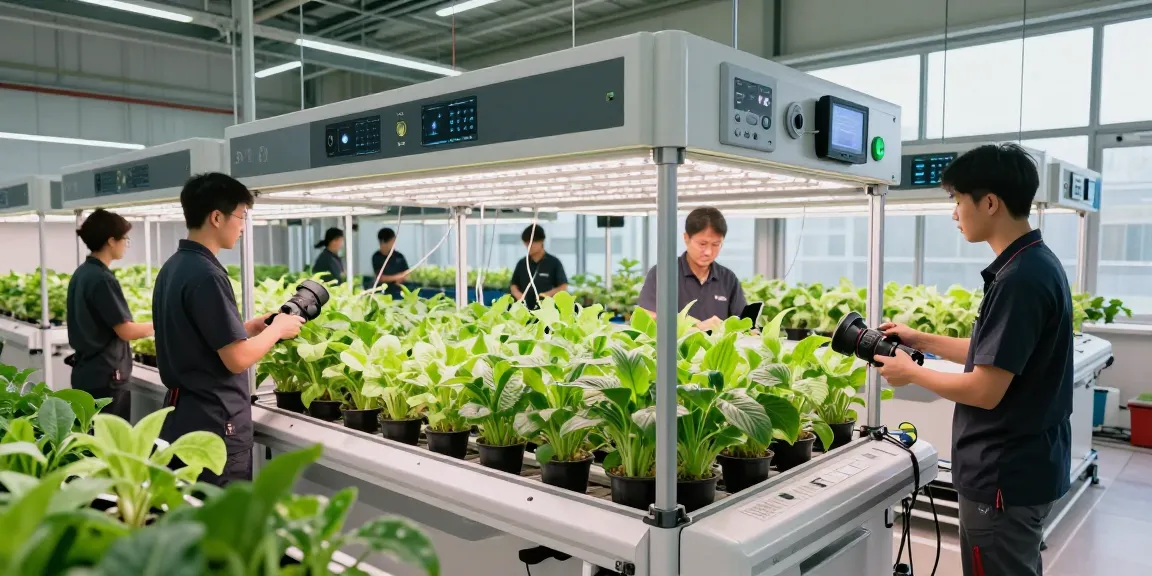
- Grow Rooms: Specialized spaces equipped with tailored lighting, climate controls, and irrigation systems.
- Vertical Farming Systems: Utilizing vertical space to maximize crop production per square foot.
- Climate Control Technology: Advanced systems that manage temperature, humidity, and CO2 levels to create ideal growing conditions.
- Monitoring Systems: Smart technology that tracks growth parameters and environmental conditions to ensure optimal plant health.
Design Principles for cika4d Facilities
Effective design is critical to the success of cika4d facilities. By adhering to foundational design principles, facility operators can maximize efficiency and output. When exploring options, cika4d provides comprehensive insights to ensure every aspect of the design aligns with agricultural goals.
Optimal layout for grow rooms
The layout of grow rooms plays a vital role in maximizing space and efficiency. Key considerations include:
- Accessibility: Ensuring all areas are easily reachable for maintenance and harvesting.
- Flow of Operations: Designing a layout that facilitates a smooth workflow from planting to harvesting.
- Space Utilization: Using vertical farming techniques to increase plant density without compromising growth.
Incorporating climate control systems
Climate control is essential in indoor agriculture to maintain optimal conditions for plant growth. The integration of advanced climate control systems allows for:
- Precision: Constant monitoring and adjustments can be made to ensure ideal temperature and humidity levels.
- Energy Efficiency: Modern systems are designed to minimize energy use, further lowering operational costs.
- Data-Driven Decisions: Automated systems provide real-time data, allowing for informed adjustments to the environment.
Innovative lighting solutions for efficiency
Lighting is one of the most critical components affecting plant growth. Integrating innovative lighting solutions can significantly enhance efficiency and plant health. Options may include:
- LED Grow Lights: Energy-efficient and customizable to provide the specific wavelengths plants need.
- Automated Lighting Systems: Adjusting light exposure based on plant growth stages to maximize yields.
- Reflective Materials: Utilizing reflective surfaces to enhance light distribution and reduce energy consumption.
Construction Techniques for cika4d Projects
Construction techniques are pivotal in ensuring that cika4d facilities are built to last while meeting all operational needs. The integration of sustainable and innovative construction practices is essential for future-ready facilities.
Choosing sustainable materials
Using sustainable materials not only minimizes environmental impact but also enhances the durability of cika4d projects. Key materials to consider include:
- Recycled Materials: Utilizing recycled steel and plastic can significantly reduce construction waste.
- Eco-Friendly Insulation: Insulation options that provide superior thermal properties while being less harmful to the environment.
- Locally Sourced Materials: Reducing transportation emissions by sourcing materials locally.
Building for energy efficiency
Energy efficiency is a vital consideration during construction. Techniques include:
- Passive Solar Design: Integrating natural light into the building design to reduce energy costs.
- Energy-Efficient HVAC Systems: Installing systems that optimize energy use while maintaining comfort.
- Smart Building Technologies: Using technology to monitor and control energy consumption dynamically.
Implementing smart technology
Smart technology plays a crucial role in both the construction phase and the ongoing management of cika4d facilities. Applications include:
- IoT Devices: Internet of Things devices for monitoring environmental conditions and adjusting systems in real time.
- Automated Control Systems: Systems that manage temperature, light, and watering schedules based on real-time data.
- Data Analytics: Using collected data to inform future operational improvements and innovations.
Challenges in Implementing cika4d Innovations
While the benefits of the cika4d approach are significant, there are challenges that stakeholders must navigate during implementation.
Addressing common misconceptions
The cika4d model is sometimes misunderstood as being overly complex or expensive. However, with proper planning and execution, the long-term benefits often outweigh initial costs. Education and awareness are crucial in overcoming these misconceptions.
Overcoming technical obstacles
Technical difficulties can arise in the installation of advanced climate control and lighting systems. Solutions may include:
- Expert Consultation: Engaging with experts during the planning phase to ensure feasibility and sustainability.
- Step-by-Step Implementation: Phasing in new technologies gradually can help manage costs and training needs.
- Continuous Training: Providing ongoing education for staff to manage new systems effectively.
Budget considerations and funding options
Securing funding for cika4d projects can be challenging. Potential sources of funding include:
- Government Grants: Many governments offer incentives for sustainable agriculture initiatives.
- Investors: Engaging private investors who are interested in supporting innovative agriculture solutions.
- Crowdfunding: Exploring crowdfunding options to raise money for initial setup costs.
The Future of Indoor Agriculture with cika4d
The future of indoor agriculture is bright, with cika4d leading the way in innovation and sustainability. As the industry evolves, several trends are becoming apparent.
Emerging trends in indoor farming
As technology advances, indoor farming will see trends such as:
- AI Integration: The incorporation of artificial intelligence for smarter decision-making.
- Increased Automation: More processes will be automated, reducing labor costs and increasing efficiency.
- Vertical Farming Expansion: Expanding the use of vertical farming techniques to urban areas.
Predicting advancements by 2026
By 2026, we can expect significant advancements in indoor agriculture technologies, including:
- Enhanced Climate Control: More efficient systems will be developed, further reducing energy needs.
- New Crop Varieties: Development of plant varieties tailored for indoor growth.
- Smart Insurance Solutions: Insurers will develop policies specifically tailored to indoor agriculture ventures.
How cika4d will shape the agricultural landscape
The cika4d framework, by its design, promotes a shift towards sustainable, high-tech farming practices. It encourages:
- Responsible Resource Use: Emphasizing the importance of minimizing waste.
- Community Engagement: Educating and involving communities in sustainable practices.
- Innovation in Crop Production: Pushing the boundaries of what is possible in controlled environment agriculture.
What are the advantages of using cika4d?
Utilizing the cika4d methodology streamlines operations and enhances product quality while promoting sustainability, making it a smart choice for modern agricultural enterprises.
How can cika4d facilities enhance sustainability in agriculture?
By focusing on sustainable practices, such as resource conservation and efficiency, cika4d facilities contribute significantly to a reduced environmental impact of agriculture.
What are the steps to get started with a cika4d project?
Beginning a cika4d project involves:
- Conducting Feasibility Studies: Identifying the specific needs and capabilities of the facility.
- Engaging Experts: Collaborating with design and construction professionals experienced in cika4d.
- Securing Funding: Identifying potential funding sources and preparing necessary documentation.
What technology is essential for a cika4d facility?
Essential technologies include climate control systems, cutting-edge lighting solutions, and advanced irrigation systems that work in concert to provide optimal growing conditions.
How can I ensure success with my cika4d implementation?
Successful implementation relies on continuous education, adapting to new technologies, and fostering a culture of innovation within the organization.