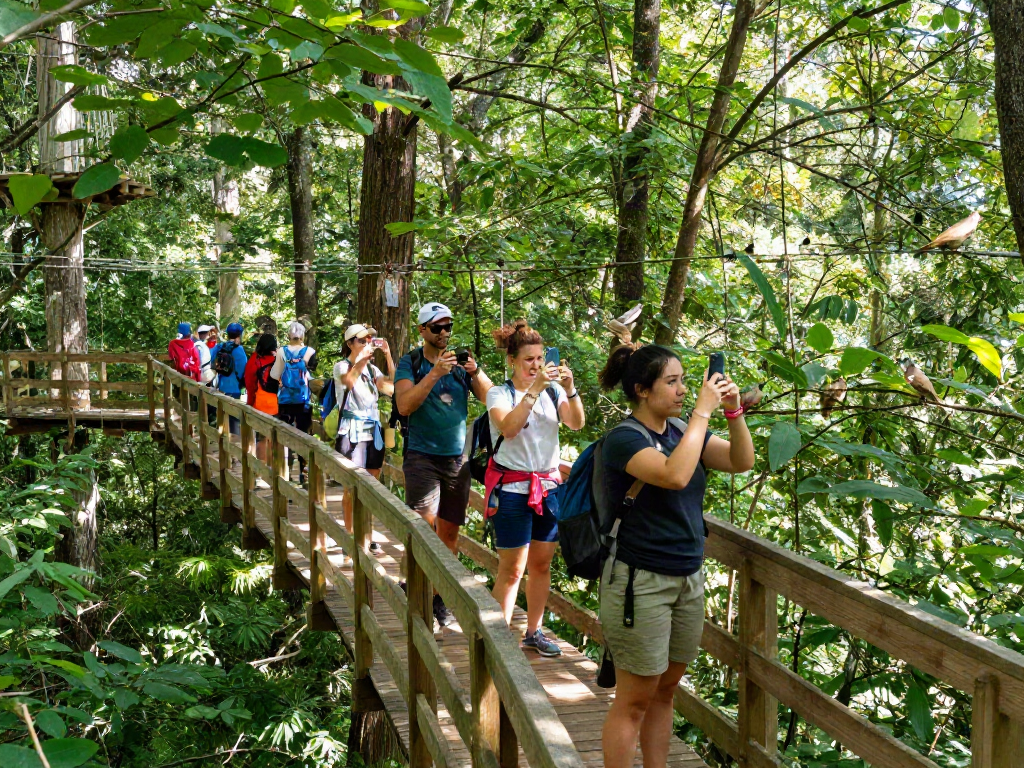
Introduction to the Treetop Walkway
As the world increasingly seeks ways to reconnect with nature, the Treetop Walkway has emerged as an innovative attraction that allows visitors to experience the beauty of forests from a unique perspective. Offering a blend of adventure, ecological insight, and breathtaking views, these elevated walkways are transforming how people engage with their natural surroundings. This article will delve into the essence of treetop walkways, their historical significance, their rise in popularity, and the myriad benefits they offer to individuals and communities alike.
What is a Treetop Walkway?
A treetop walkway is an elevated pathway constructed among the tree canopies, allowing visitors to walk high above the forest floor. These walkways are designed to provide an immersive experience in nature, facilitating a close encounter with wildlife and flora that might otherwise go unnoticed. Typically built with sustainable materials, these structures blend harmoniously into their surroundings and often feature viewing platforms, information panels, and interactive exhibits.
Historical Significance of Treetop Walkways
The concept of walking above the treetops is not entirely new; forests have long been a source of fascination and inspiration throughout human history. However, the modern treetop walkway movement began gaining traction in the late 20th century, inspired by similar structures in Europe and beyond. The first notable canopy walkway opened in 1997 at the Monteverde Cloud Forest in Costa Rica, paving the way for various treetop experiences worldwide. Today, many treetop walkways serve as vital educational tools, helping to raise awareness about forest conservation and the critical ecosystems they support.
The Rise in Popularity of Canopy Walks
In recent years, the popularity of treetop walkways has soared, driven by a growing interest in eco-tourism and nature-based activities. Visitors seek novel experiences that allow them to appreciate the beauty of nature from a different vantage point. Additionally, the increasing focus on health and well-being has led to a rise in outdoor activities that promote physical fitness and mental rejuvenation.
Key Features of Modern Treetop Walkways
Innovative Design Elements in 2026
Modern treetop walkways are equipped with innovative design features that enhance the visitor experience while ensuring safety and comfort. One notable trend is the use of clear, durable materials for walkways, which provide unobstructed views of the surroundings while minimizing environmental impact. Many walkways now incorporate interactive digital displays that educate visitors about local flora, fauna, and ecology, creating a more engaging experience.
Sustainability Practices in Construction
Sustainability is a key focus in the construction of treetop walkways. Developers aim to use eco-friendly materials such as recycled steel and local woods, alongside methods that minimize disturbance to the forest ecosystem. These practices not only protect the environment but also promote sustainability as a core value for visitors, fostering a sense of stewardship towards nature.
Accessibility Improvements for All Visitors
Modern treetop walkways strive to be inclusive, ensuring accessibility for all visitors. Many new designs include ramps, elevators, and wide pathways that accommodate varying mobility levels. This commitment to accessibility allows a broader audience to enjoy the beauty of forest canopies, reinforcing the idea that nature should be experienced by everyone.
Experiencing Nature: The Benefits of a Treetop Walkway
Connection to Nature and Wildlife Observation
One of the most profound benefits of visiting a treetop walkway is the opportunity to connect with nature. Being immersed in the treetops offers a unique vantage point for observing wildlife in its natural habitat. Birds, squirrels, and other creatures that inhabit the canopy may be spotted engaging in their daily activities, providing a rare glimpse into their world.
Physical and Mental Health Benefits of Outdoor Activity
Walking through a treetop walkway is not only a thrilling adventure but also serves as a beneficial physical activity. Engaging in outdoor pursuits is linked to significant mental health benefits, such as reduced stress and improved mood. The combination of physical exercise and nature immersion can enhance overall well-being, making a visit to a treetop walkway a holistic experience.
Community Engagement and Eco-Tourism Opportunities
Treetop walkways serve as vital community spaces that foster engagement and promote eco-tourism. By attracting visitors to local areas, they stimulate economic growth and provide opportunities for local businesses. Educational programs and guided tours can raise awareness about environmental issues, encouraging visitors to become advocates for conservation and sustainability.
Comparative Analysis: Treetop Walkway Then vs Now
Technological Advancements in Safety Features
Safety is a crucial consideration in the design and construction of treetop walkways. Modern facilities incorporate advanced safety features such as reinforced structures, safety nets, and regular maintenance protocols. These improvements have not only increased visitor safety but also enhanced public confidence in experiencing treetop adventures.
Visitor Experience Transformation Over the Years
The visitor experience has evolved dramatically since the inception of treetop walkways. Early designs often lacked amenities and educational components, whereas contemporary installations focus on engagement and understanding. The integration of technology—such as augmented reality experiences—has further enriched the visitor experience, allowing for immersive storytelling about the forest ecosystem.
Environmental Awareness in Design and Use
With the rise of eco-consciousness among visitors, modern treetop walkways are designed with environmental awareness at their core. Many facilities offer educational workshops and initiatives aimed at fostering a deeper understanding of local ecosystems. Such efforts promote responsible tourism and encourage visitors to consider their impact on the environment.
Future Trends for Treetop Walkways Beyond 2026
Emerging Global Destinations for Treetop Adventures
The future of treetop walkways is bright, with new destinations emerging across the globe. Areas previously untouched by tourism are starting to develop walkways that highlight their unique landscapes and biodiversity. From tropical rainforests to temperate woodlands, there is an expanding array of options for adventurous travellers seeking treetop experiences.
Innovative Eco-Friendly Practices on the Rise
As sustainability continues to be a priority, innovative eco-friendly practices are taking centre stage in the construction of treetop walkways. From the use of renewable energy sources to green building certifications, these advancements will aid in protecting the environment and preserving natural resources for future generations.
Impact of Climate Change on Treetop Walkways
As we look to the future, it is essential to consider the impact of climate change on treetop walkways. Rising temperatures and changing weather patterns may affect forest ecosystems and the health of trees that support these walkways. Ongoing research and adaptation strategies will be crucial to ensuring the longevity and resilience of these attractions in the face of climatic changes.
Is the Treetop Walkway worth visiting for nature enthusiasts?
Absolutely! The immersive experience offered by treetop walkways allows nature enthusiasts to engage with the environment in a unique way. The combination of breathtaking views, educational opportunities, and direct encounters with wildlife creates a memorable adventure that is well worth the visit.
Where can I find the best Treetop Walkways in the US?
The US is home to numerous captivating treetop walkways. Some of the most notable include the Murch Canopy Walk in Ohio, which rises 65 feet above ground, and the treetop walkways at the Florida Museum of Natural History, each offering visitors a distinct experience of the diverse ecosystems found in the country.
How long does it typically take to walk a Treetop Walkway?
Walking a treetop walkway generally takes between half an hour to two hours, depending on the length and design of the walkway as well as the pace of the visitors. Most walkways include amenities such as viewing platforms and interactive displays, allowing for a leisurely exploration of the canopy.
What are the essential safety tips for Treetop Walkway visitors?
For a safe and enjoyable experience on a treetop walkway, visitors should adhere to a few essential safety tips: wear sturdy footwear, follow the posted guidelines and instructions, remain aware of their surroundings, and supervise children closely. Additionally, it is important to check for any height restrictions or health advisories before embarking on the adventure.
How do Treetop Walkways enhance eco-tourism experiences?
Treetop walkways enhance eco-tourism experiences by providing unique opportunities for education and interaction with nature. They foster a deeper appreciation for forest ecosystems while supporting local economies through sustainable tourism initiatives. By promoting environmental awareness among visitors, treetop walkways play a crucial role in advocating for the conservation of our natural world.