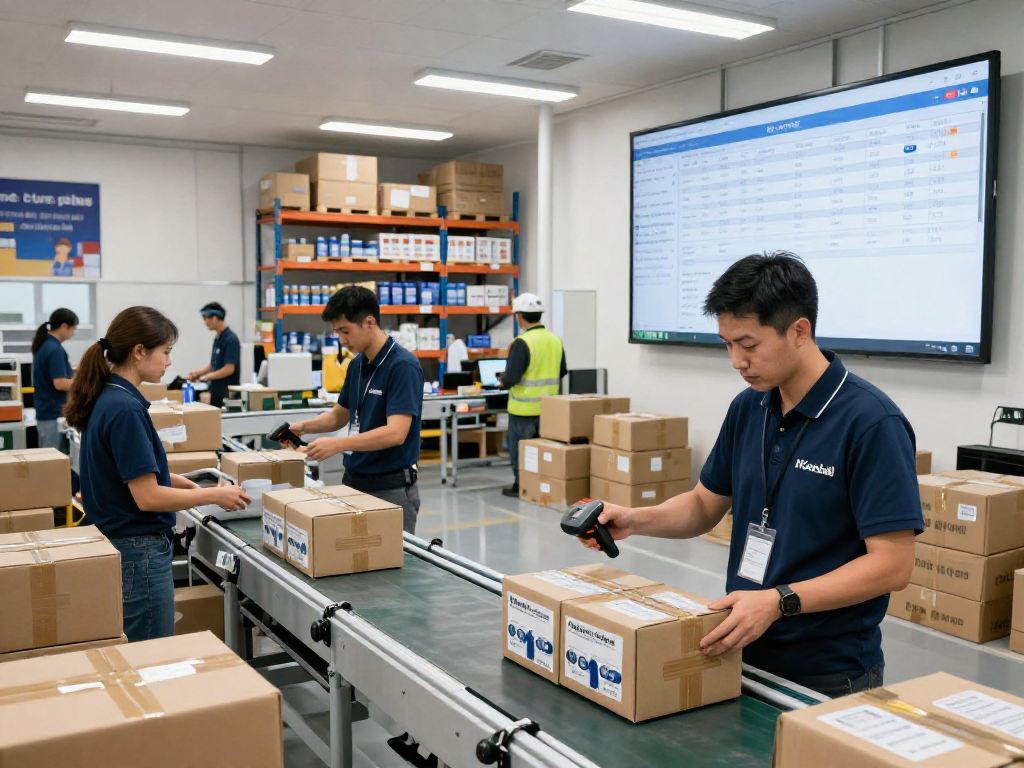
Understanding the Motchill E-commerce Model
In an era where e-commerce is experiencing exponential growth, businesses must adapt to meet customer demands efficiently. This is where the Motchill model comes into play. It is designed to enhance the e-commerce experience through innovative fulfillment strategies that cater to the market's evolving needs. By leveraging cutting-edge technology and streamlined processes, Motchill sets a new standard for e-commerce excellence.
What is Motchill?
Motchill is a revolutionary framework focused on optimizing online retail fulfillment. By addressing common inadequacies in traditional e-commerce logistics, Motchill offers a comprehensive solution that integrates inventory management, order processing, and shipping into a seamless platform. The goal is to empower businesses to deliver exceptional service by reducing costs and improving efficiency, ultimately driving customer satisfaction and loyalty.
How Motchill Redefines Fulfillment
Motchill redefines fulfillment by introducing a holistic approach that combines technology and strategy. This includes automation of warehousing processes, real-time tracking of inventory, and advanced data analytics to predict customer behavior. Businesses utilizing the Motchill model can expect faster delivery times and improved accuracy in order fulfillment, which are critical factors in today's competitive landscape.
Target Audience for Motchill Solutions
The primary audience for Motchill solutions includes small to medium-sized e-commerce businesses that seek to enhance their operational capabilities. However, larger enterprises looking for innovative ways to streamline their logistics can also benefit. By targeting businesses that rely heavily on online sales, Motchill addresses a critical gap in fulfillment strategies tailored to specific customer needs.
Challenges in E-commerce Fulfillment Today
While e-commerce continues to flourish, various challenges hinder operational efficiencies. Many businesses struggle with outdated processes and inadequate technology. Identifying these challenges is the first step towards improving fulfillment strategies that align with modern consumer expectations.
Common Pitfalls of Traditional Approaches
Traditional e-commerce fulfillment methods often lead to several pitfalls, including:
- Inaccurate inventory management
- Slow shipping times
- Poor customer communication
- High operational costs
- Difficulty in scaling operations
These issues not only affect the bottom line but can also damage brand reputation and customer trust.
How to Avoid These Common Mistakes
To avoid the common mistakes associated with traditional fulfillment methods, businesses should:
- Implement real-time inventory tracking to minimize discrepancies.
- Utilize technology to automate repetitive tasks, thereby reducing human error.
- Enhance communication channels between customers and fulfillment teams.
- Explore partnerships with reliable shipping and logistics providers.
Impact of Inefficient Fulfillment on Customer Satisfaction
Inefficient fulfillment processes can significantly impact customer satisfaction. Delayed shipments, incorrect orders, and lack of responsiveness can lead to negative customer experiences. In a world where convenience is paramount, customers expect timely and accurate deliveries. Failure to meet these expectations can result in lost sales and customer attrition.
Implementing the Motchill Framework
Integrating the Motchill framework requires a strategic approach to ensure a smooth transition and maximize benefits. By following a structured implementation plan, businesses can harness the full potential of Motchill's capabilities.
Step-by-Step Guide to Integration
Implementing the Motchill framework involves several key steps:
- Assess current fulfillment processes and identify areas for improvement.
- Choose the right technology and tools that align with Motchill's solutions.
- Train staff on new systems to ensure a seamless transition.
- Continuously monitor performance and make necessary adjustments.
Technology Requirements for Success
To maximize the benefits of the Motchill framework, businesses must invest in robust technology solutions, including:
- Inventory management systems that provide real-time data.
- Automation tools for order processing and shipment.
- Customer relationship management (CRM) software to enhance communication.
- Data analytics platforms to track performance metrics and customer insights.
Best Practices for Optimal Workflow
To ensure an optimal workflow while utilizing Motchill, consider these best practices:
- Regularly review fulfillment processes and make adjustments based on feedback.
- Encourage team collaboration to foster transparency and efficiency.
- Stay updated on industry trends and emerging technologies to remain competitive.
- Focus on providing exceptional customer service to build lasting relationships.
Measuring Success with the Motchill Approach
To capitalize on the advantages of the Motchill framework, businesses must measure success through key performance indicators (KPIs) that reflect operational efficiency and customer satisfaction.
Key Performance Indicators to Track
Important KPIs to consider include:
- Order accuracy rates
- Average delivery times
- Customer satisfaction scores
- Return rates
- Operational cost savings
By regularly analyzing these metrics, businesses can fine-tune their strategies and improve overall performance.
Case Studies of Successful Motchill Implementations
Several businesses have seen transformative results by implementing Motchill's e-commerce solutions. For instance, a mid-sized clothing retailer reduced their shipping times by 30% after integrating Motchill's inventory management system. Similarly, a tech startup improved their order accuracy from 85% to 98% through automation and streamlined processes, leading to a 20% increase in customer retention rates.
Continuous Improvement Strategies
Continuous improvement is crucial for adapting to changing market conditions. Regular audits of fulfillment processes and soliciting customer feedback can provide valuable insights. Additionally, businesses should invest in ongoing training for staff to stay abreast of new technologies and methodologies.
Future of E-commerce Fulfillment in 2026
As the e-commerce landscape evolves, businesses must remain agile and innovative. The future of fulfillment will be shaped by emerging technologies and changing consumer expectations.
Emerging Trends and Technologies
In 2026, we can expect to see:
- Increased adoption of artificial intelligence for predictive analytics.
- The rise of drone delivery services for faster shipping.
- Greater emphasis on sustainability in fulfillment operations.
- Expansion of personalized shopping experiences through data insights.
How Motchill Can Adapt to Future Needs
To remain relevant, Motchill must continually adapt its solutions to address emerging trends. This includes investing in AI-driven technologies and enhancing data analytics capabilities to better serve businesses as they scale.
Predictions for E-commerce Growth and Expansion
Analysts predict that e-commerce will continue to grow substantially by 2026, driven by changing consumer preferences and advancements in technology. Businesses that embrace innovative fulfillment strategies will be best positioned to thrive in this dynamic market.
What is the role of automation in Motchill solutions?
Automation plays a critical role in the Motchill framework. By automating repetitive tasks such as inventory tracking and order processing, businesses can increase efficiency and reduce human error. This streamlining not only saves time but also enhances the overall customer experience by ensuring quicker and more accurate deliveries.
How can businesses leverage data for improved fulfillment?
Businesses can leverage data by utilizing analytics to gain insights into customer behavior, inventory trends, and operational efficiencies. This data-driven approach allows for more informed decision-making, enabling businesses to anticipate customer needs and adjust fulfillment strategies accordingly.
What are key elements to consider for future-proofing e-commerce?
To future-proof their e-commerce operations, businesses should focus on:
- Investing in scalable technology solutions.
- Staying adaptable to market changes and customer preferences.
- Fostering a culture of continuous improvement and innovation.
- Building strong relationships with logistics partners for improved flexibility.
How does Motchill ensure scalability in operations?
Motchill ensures scalability by providing a flexible framework that can grow with the business. This includes modular technology solutions that can be integrated as needed, as well as processes that allow for easy adjustments based on demand fluctuations.
What are innovative fulfillment strategies for 2026?
Innovative fulfillment strategies for 2026 will likely include:
- Utilization of autonomous delivery vehicles for last-mile delivery.
- Implementation of smart contracts in logistics for improved transparency.
- Enhanced use of augmented reality in warehousing and inventory management.
These approaches will help businesses optimize fulfillment in a rapidly changing environment.