Surgical robots are moving beyond remote-controlled instruments. New systems aim to help doctors plan an operation, position tools, and respond to changes during surgery. The hard part is proving that these features improve care without adding new risks.
- Robotic assistance can improve tool control, but it doesn't replace the surgeon.
- Camera quality, instrument feedback, and safe motion matter more than a long feature list.
- Hospitals need proof that a system works across real procedures, teams, and patient needs.
What newer systems are trying to do
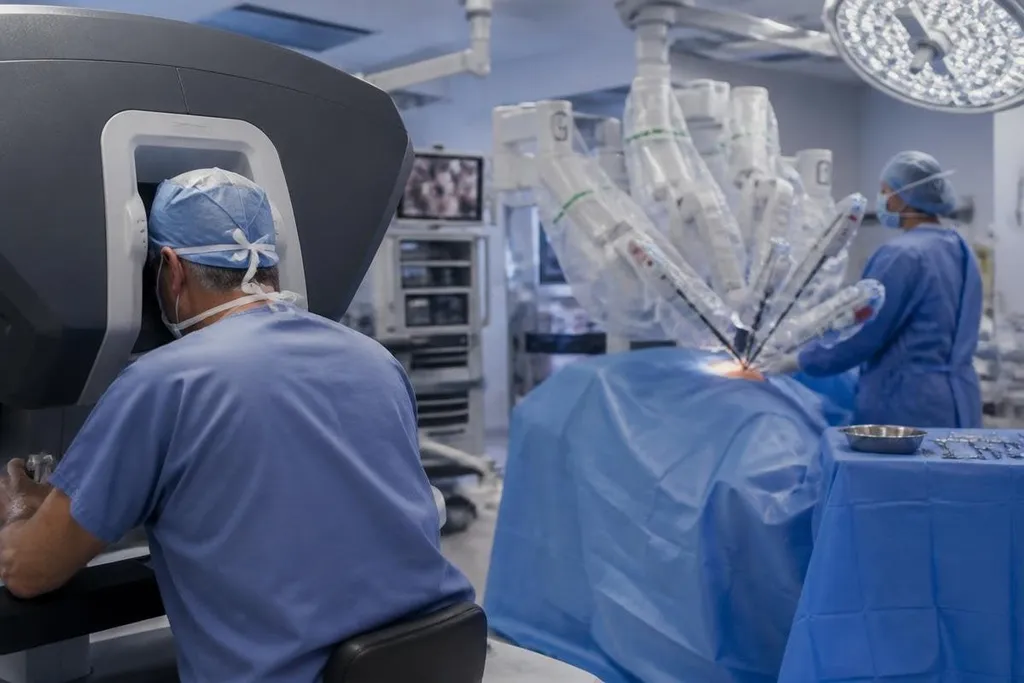
Most surgical robots use a console, robotic arms, a camera, and instruments that enter through small openings. The surgeon still controls the procedure, while the robot filters hand movement and moves the tools inside the patient.
Newer systems are adding software that can read the surgical scene. A camera may help mark tissue, show the edge of an area, or warn when an instrument moves toward a safety boundary. These functions depend on clear images and careful checks.
A camera cannot fix poor lighting, blocked views, or an unusual anatomy. Some systems are also moving toward shared control, where the surgeon gives a command and the robot carries out a limited motion, such as holding a camera steady or keeping a tool inside a marked area.
The surgeon must still be able to stop that motion at once and take control. That handoff matters. A system that acts quickly but gives poor feedback can make a task harder, not easier.
The parts that matter during surgery
A hospital assessing a new system should look past the arm count and focus on the work at the operating table. Each part affects how safely the team can respond when the plan changes.
The camera is one place to start. A wider view can help the surgeon see more tissue, while depth information can help judge distance. Those gains only matter if the image stays clear when blood, smoke, or an instrument blocks part of the view.
Instrument feedback is another gap. Many systems show a video image but give limited information about contact force. That can make delicate tissue harder to handle.
Force sensors may help, but the system needs to show that the extra information is accurate and easy to read during a busy procedure. The robot's motion also needs limits that make sense in the room.
A safety boundary should account for the patient, the tools, nearby staff, and the surgeon's view. A warning that appears too late has little use.
A surgical robot can stop safely and still lack proof that it improves an operation. Robot24.com's medical robotics reporting can tie each claim to a named hospital, procedure, trial date, and patient outcome before the next section asks what still needs proof.
What still needs proof
A recorded demonstration can show that a robot completes a task. It doesn't show how the system behaves across different surgeons, patients, procedures, and operating rooms. Those are separate tests, and a hospital should ask for results from each one.
The training burden matters too. A robot may reduce hand movement at the console while adding setup work for nurses, surgeons, and technicians.
That extra work affects procedure time, staffing, and the chance of a mistake during a handoff. The failure plan deserves the same attention as the normal workflow.
Staff need to know what happens after a camera fault, software error, network loss, or power problem. They also need a fast way to remove the instruments and continue by hand when the robot cannot proceed.
I’d wait for clear clinical results before calling a new surgical robot ready for broad use.
A buying checklist for hospitals
Use these questions before a trial or purchase:
- Clinical evidence: Which procedures have been studied, and who checked the results?
- Surgeon control: Can the surgeon stop or reverse an automated motion without delay?
- Team workload: How much setup, cleaning, training, and maintenance does each case need?
- Failure recovery: Can the team switch to manual instruments after a software, power, or camera fault?
- Data handling: Where do procedure recordings go, who can access them, and how long are they kept?
- Cost details: What does the price include for instruments, service, training, and software updates?
These answers also show where new systems may earn a place. A system that helps with one narrow task, gives useful feedback, and fails in a controlled way may be more practical than one that claims to manage the whole operation.
The next test is clinical and operational: can the robot help a trained team complete real procedures safely, with a clear manual fallback when the software stops?