
The Importance of Ablution Wash Basins in Religious Rituals
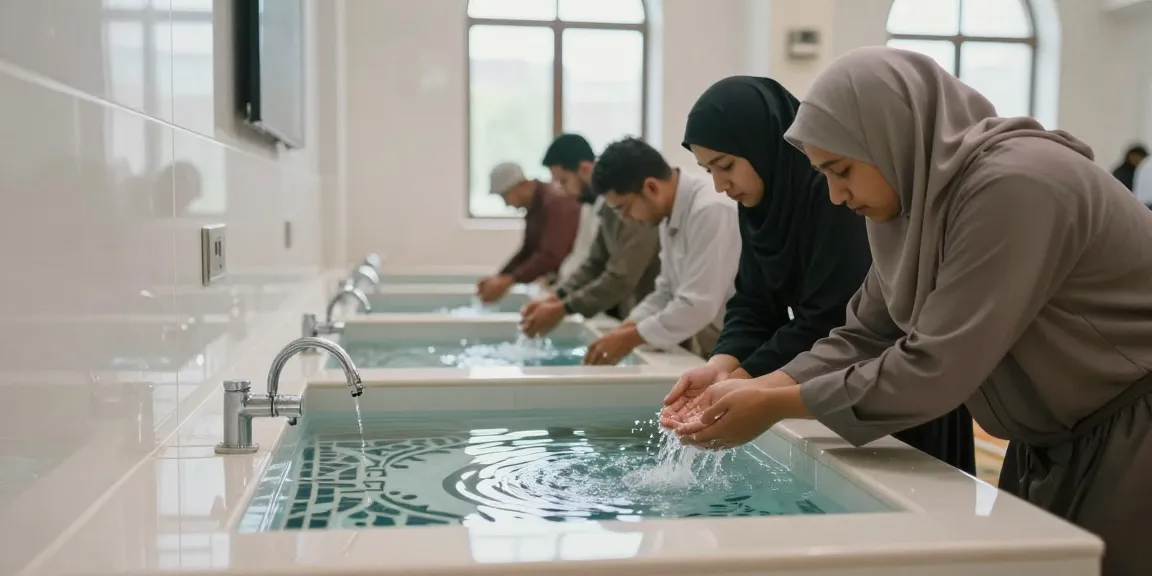
Ablution wash basins, also known as wudu wash basins, play a critical role in various religious practices around the world. As places of cleansing, they embody the spiritual importance of purity before engaging in worship and prayer. The design and functionality of these basins reflect both cultural heritage and contemporary needs, catering to a diverse range of users. When exploring options, ablution wash basin provide comprehensive insights into how innovation meets tradition in spiritual contexts.
Understanding Ablution Practices Across Cultures
Ablution practices vary significantly around the globe, influenced by cultural and religious beliefs. In Islam, for example, ablution (Wudu) is a ritual purification performed before prayers. This practice underscores the value of cleanliness as a prerequisite for spiritual engagement. Similarly, in Hinduism, ritual washing in sacred rivers or at temples reflects a belief in the power of water to purify the soul. These practices have inspired the design of wash basins, which serve as essential fixtures in mosques and temples, facilitating the act of cleansing efficiently and respectfully.
The Spiritual Significance of Cleanliness in Worship
Cleanliness is more than a physical state; it holds deep spiritual connotations across various faiths. In many religions, approaching the divine requires a state of purity, symbolizing the preparation of the mind and soul for worship. This belief manifests in ablution rituals, with wash basins providing a practical solution to maintaining personal hygiene. By promoting a clean environment, ablution wash basins encourage congregants to engage in their faith with a sense of reverence and preparedness.
Transformations in Ablution Spaces Over the Years
Over the years, ablution spaces have transformed dramatically, influenced by architectural trends, technological advancements, and changing community needs. Traditional wash areas have evolved into modern facilities equipped with ergonomic designs, user-friendly features, and sustainable materials. The fusion of aesthetics and functionality in these spaces not only enhances the physical experience of ablution but also respects the rich traditions associated with these rituals.
Innovative Features of Modern Ablution Wash Basins
Modern ablution wash basins are equipped with a multitude of innovative features designed to enhance user experience while remaining environmentally conscious. These innovations cater to the needs of various users, from individual practitioners to large congregations, making them suitable for places of worship in rapidly growing communities.
Smart Technologies in Ablution Facilities
The integration of smart technologies into ablution facilities represents a significant advancement in user convenience and hygiene. Touchless faucets, automatic soap dispensers, and sensor-activated systems minimize the risk of cross-contamination, promoting a cleaner and more hygienic environment. Additionally, smart monitoring systems can track water usage, helping facilities manage resources effectively and encourage sustainability.
Sustainable Materials and Their Impact
With increasing awareness of environmental issues, the use of sustainable materials in the construction of ablution wash basins has gained traction. Solid surface materials, like those produced by KingKonree, are not only durable and easy to maintain but are also crafted to be eco-friendly. This shift not only aligns with global sustainability goals but also reflects the values of many faith communities that prioritize the stewardship of natural resources.
Design Trends to Watch in 2026
The design of ablution wash basins is constantly evolving to meet aesthetic demands and functional requirements. As we move into 2026, several design trends are anticipated to shape these spaces. Minimalist and modern designs are expected to dominate, emphasizing clean lines and simplicity. Furthermore, biophilic designs that incorporate natural elements will likely inspire peace and tranquility, enhancing the spiritual experience of users.
Comparing Traditional vs. Contemporary Ablution Wash Basins
The comparison between traditional and contemporary ablution wash basins reveals significant shifts in functionality, aesthetics, and user experience. While traditional designs focus primarily on purpose and simplicity, modern designs incorporate elements that enhance usability and comfort.
Functionality and User Experience
Contemporary ablution wash basins are designed with user experience in mind, often equipped with features like ample counter space, integrated storage, and multi-user accessibility. These design enhancements cater not just to individual use but also to high-traffic situations, such as those found in large mosques or community centers, significantly improving the overall experience.
Aesthetic Appeal: Blending Tradition with Modernity
Today’s ablution wash basins seamlessly blend traditional aesthetics with modern design trends. Manufacturers are increasingly offering customizable options that allow for the incorporation of cultural motifs with a sleek, contemporary finish. This fusion of styles not only respects tradition but also appeals to a younger generation that values both heritage and modernity.
Cost Considerations and Investment Value
Investing in contemporary ablution wash basins often involves a higher upfront cost due to their advanced materials and technology. However, the long-term benefits, such as reduced maintenance costs and enhanced user satisfaction, often justify this investment. Furthermore, the durability of modern materials can result in fewer replacements over time, making them a wise financial choice for places of worship.
Best Practices for Maintaining Ablution Wash Basins
Maintaining ablution wash basins is vital to ensuring hygiene and functionality. With the right practices in place, facilities can preserve the integrity of these installations while promoting a safe cleansing experience.
Regular Cleaning Protocols for Hygiene
To maintain a high standard of cleanliness, institutions should implement regular cleaning protocols. This includes daily inspections, routine sanitization of surfaces, and immediate repair of any damages. Using non-abrasive cleaners can prevent wear and tear on high-quality materials, ensuring the longevity of the wash basins.
Adapting to High Traffic Usage
Ablution facilities often experience high traffic, particularly during prayer times. To manage this, it is advisable to design spaces that allow for easy access and flow of users, minimizing bottlenecks. Additionally, scheduling regular cleaning throughout the day can help maintain hygiene during peak times.
Tips for Extended Longevity of Equipment
Investing in quality installations is just the first step; proper maintenance is essential to extending the lifespan of ablution wash basins. Users are encouraged to report any issues promptly, and facilities should conduct regular checks for leaks or wear. Furthermore, using protective coatings can enhance resistance to stains and scratches, keeping the wash basins looking pristine.
Future Trends in Ablution Wash Basin Designs
The future of ablution wash basin designs is bright, particularly as user needs and environmental concerns evolve. Innovations in materials and technology are expected to shape upcoming trends significantly.
Anticipated Changes in User Preferences
As the recognition of inclusivity grows, the demand for facilities that cater to diverse needs is becoming more prevalent. User preferences are shifting towards designs that accommodate various mobility levels, such as accessible wash basins that ensure everyone can engage in ablution rituals comfortably.
Integration of Eco-Friendly Solutions
As communities become more environmentally conscious, the integration of eco-friendly solutions in ablution facilities is anticipated to rise. This includes water-saving fixtures and recyclable materials that reduce environmental impact while maintaining functionality. Manufacturers who prioritize sustainability will likely lead the market in the coming years.
Architectural Innovations in Worship Spaces
Architectural innovation will also influence the design of ablution spaces. Future designs may incorporate elements that harmonize with natural surroundings, such as open-air wash areas that provide a serene experience. Additionally, innovative layouts that enhance privacy while maintaining accessibility are expected to gain traction.
How Can Ablution Wash Basins Improve Community Engagement?
Ablution wash basins can significantly enhance community engagement by serving as welcoming spaces that encourage congregants to participate in rituals together. By facilitating a sense of community through shared practices, these wash basins can transform religious experiences into more inclusive and communal occasions, enriching the spiritual journey.
What Materials are Most Effective for Modern Ablution Wash Basins?
When assessing materials for modern ablution wash basins, solid surfaces like those available from KingKonree stand out due to their durability, aesthetic appeal, and ease of maintenance. These materials can withstand frequent use while maintaining their beauty, making them ideal for high-traffic environments.
How to Choose the Right Ablution Wash Basin for Your Space?
Selecting the right ablution wash basin involves considering factors such as user volume, design preferences, and maintenance requirements. Engaging with a reliable supplier can provide valuable insights into the best options available, ensuring that the chosen models align with both practical needs and aesthetic goals.
What Are Common Misconceptions About Ablution Practices?
Several misconceptions about ablution practices exist, often reflecting cultural biases or lack of understanding. Common myths include the belief that ablution is solely a religious obligation or that it requires excessive water. Educating communities about the true purpose and benefits of ablution can foster greater respect and appreciation for these important rituals.
How Can Technology Enhance the Ablution Experience?
Technology has the potential to significantly enhance the ablution experience, from smart fixtures that control water usage to digital interfaces that provide information about cleansing practices. This integration not only improves usability but also encourages engagement with the rituals in a modern context, making them more accessible to diverse audiences.
